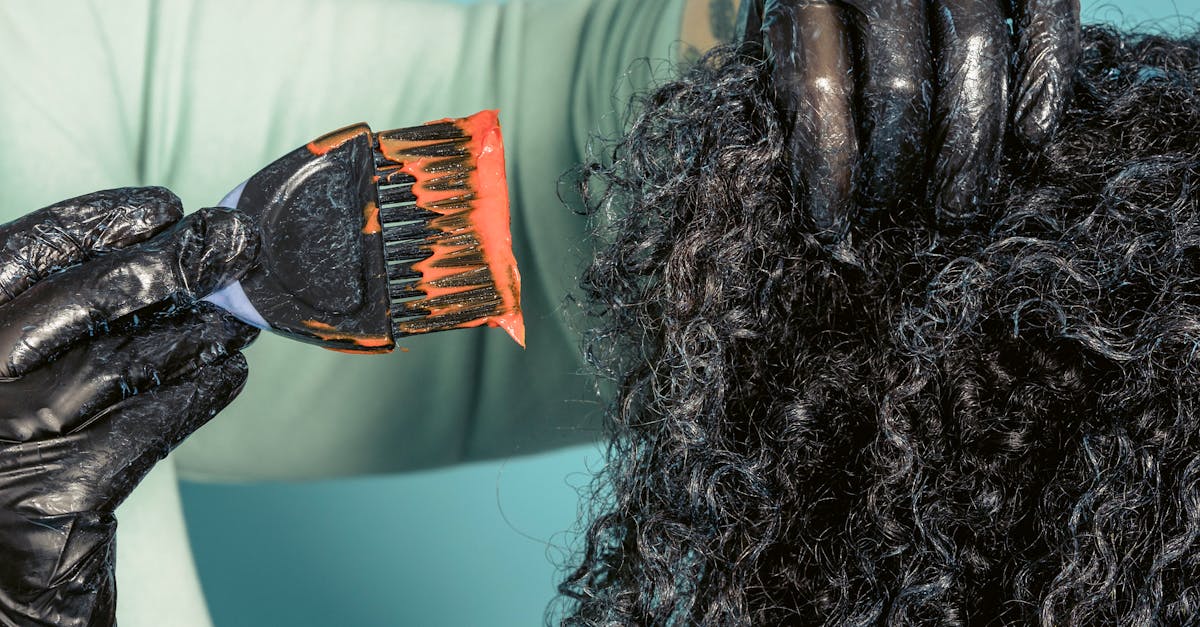
Using Natural Dyes for Vibrant Hair Colour Options
Table Of Contents
Comparing Natural Dyes to Chemical Alternatives
Natural dyes have gained popularity as a viable option for those seeking an alternative to chemical hair colour products. Derived from plants, fruits, and other organic materials, they offer a broad spectrum of hues while avoiding the harsh synthetic ingredients found in many commercial dyes. Users often appreciate the subtle and less intense colour results, which can create a unique and natural look. Furthermore, natural dyes tend to be less likely to cause irritation, making them appealing for individuals with sensitive skin.
Chemical alternatives, while providing vivid and long-lasting colour, come with their own set of drawbacks. The presence of ammonia and peroxide in many formulations can lead to damage and dryness in the hair. Additionally, the synthetic chemicals used may cause allergic reactions in some individuals. Although these dyes can effectively cover greys and achieve bold shades, the potential long-term effects on hair health are a concern for many consumers. As natural dyes continue to evolve, they may offer a safer and more sustainable option for those wanting to enhance their hair's colour.
Pros and Cons of Each Option
Natural dyes offer a range of benefits, making them an appealing choice for those seeking vibrant hair colour options. They are generally derived from plants, minerals, and other natural sources, which means they may be less harsh on the hair and scalp compared to chemical dyes. Many users appreciate the subtle, earthy tones achieved with natural methods. In addition, these dyes often come with a lower environmental impact, as they tend to be biodegradable and free from toxic chemicals that can harm waterways.
On the other hand, natural dyes can come with some drawbacks. Achieving consistent or bright colours can be challenging, as the results may vary based on factors like hair type and dye application technique. The colour longevity of natural dyes might also be less compared to chemical counterparts, leading to more frequent touch-ups. Additionally, the time required for application and processing can be longer, which may not appeal to those seeking a quick solution.
Safety Considerations for Natural Dyes
When exploring natural dyes for hair colouring, safety remains a primary concern. While these dyes are derived from plant materials, it is essential to remember that natural does not always equate to hypoallergenic. Individuals may still experience reactions to specific botanicals. It is advisable to research the ingredients thoroughly and consider the source of the dyes to ensure purity and quality.
In addition to ingredient safety, proper application techniques play a crucial role in minimising risks. It is important to conduct a patch test before full application, even with natural products. This test helps to identify any potential allergic reactions or sensitivities. Following recommended guidelines for preparation and application can further reduce any adverse effects, ensuring a more pleasant experience overall.
Patch Testing for Allergies
Before applying any natural dye, conducting a patch test is essential to ensure there are no allergic reactions. This involves applying a small amount of the dye mixture to a discreet area of the skin, typically behind the ear or on the inner elbow. It is crucial to leave the test for at least 24 hours, observing for any signs of redness, itching, or irritation. This simple step can prevent unpleasant surprises during the dyeing process.
If you experience any adverse effects during the patch test, it is advisable to avoid using that particular natural dye. Different plant-based ingredients may cause reactions in sensitive individuals, even if they are generally considered safe. Understanding one’s own sensitivities and performing this test can lead to a more enjoyable and successful hair dyeing experience, allowing for the vibrant colours desired without health concerns.
Customising Your Natural Hair Colour
Mixing different natural dyes allows for a customised approach to hair colour that can result in unique shades tailored to personal preferences. Common natural options such as henna, indigo, and turmeric can be combined to create a spectrum of colours from warm reds to rich browns. The process of experimentation can lead to unexpected and exciting results, encouraging creativity in achieving the desired hue.
To ensure the best outcome, it's essential to consider the base colour of your hair before mixing dyes. Lighter hair shades may yield more vibrant results, while darker hair may require different techniques or multiple applications to achieve the desired colour intensity. Testing smaller sections before applying a full dye job is advisable. This ensures the final colour meets expectations and allows for adjustments to be made easily.
Mixing Different Natural Dyes
Mixing natural dyes can lead to unique and vibrant hair colours that reflect personal style. By experimenting with combinations of plant-based pigments, users can create shades that range from deep mahogany to soft pastels. Each dye has its own properties, originating from various plants, roots, or flowers. These combinations may require careful measurement and testing to achieve the desired hue, as the ratios can significantly impact the final result.
Different natural dyes can also interact in unexpected ways, which adds an element of surprise to the mixing process. For instance, combining henna with indigo can produce rich tones of brown or black, while mixing chamomile with rhubarb might yield lighter, warmer shades. It’s essential to document the mixing ratios for future reference and to ensure consistency, especially if the results are pleasing. This practice not only encourages creativity but also enables individuals to customise their colours to align with seasonal changes or personal preferences.
FAQS
What are natural dyes and how do they differ from chemical hair dyes?
Natural dyes are derived from plants, minerals, and other natural sources, while chemical hair dyes typically contain synthetic compounds. Natural dyes tend to be less harsh and can provide a more subtle colour, whereas chemical dyes offer a broader range of vibrant shades and longer-lasting results.
Are natural dyes safe to use on all hair types?
Generally, natural dyes are safe for most hair types, but it’s important to consider hair condition and texture. Individuals with very light or damaged hair may experience different results, so a patch test is recommended to determine how your hair will react.
How do I perform a patch test for natural dyes?
To conduct a patch test, apply a small amount of the prepared natural dye mixture to a discreet section of skin, such as behind the ear or on your inner arm. Leave it on for 24 hours to check for any allergic reactions or irritation before applying it to your hair.
Can I mix different natural dyes to achieve a custom colour?
Yes, mixing different natural dyes can create a unique shade. Many people experiment with combinations of henna, indigo, and other plant-based dyes to customise their colour. It’s advisable to test small amounts first to see how the colours blend before applying them to your hair.
How long can I expect natural dyes to last on my hair?
The longevity of natural dyes can vary, typically lasting anywhere from a few weeks to a few months. Factors such as hair type, wash frequency, and the specific natural dye used will influence how quickly the colour fades. Regular touch-ups may be needed to maintain the vibrancy.
Related Links
The Rise of Pastel Hair Colour Trends in AustraliaExploring the Latest Balayage Techniques for Summer
Unique Colour Melting Techniques to Transform Your Look
The Impact of Celebrity Trends on Hair Colour Techniques
Sustainable Hair Colouring: Eco-Friendly Options for Salons