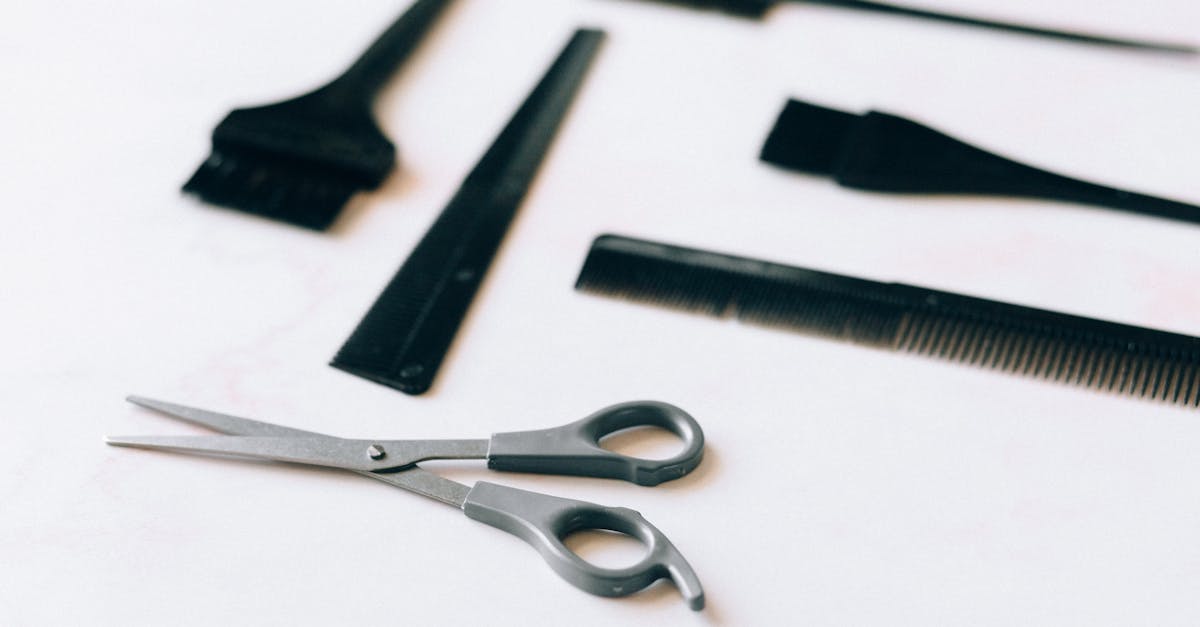
At-Home Hair Colouring: Tips from Local Crows Nest Experts
Table Of Contents
Common Mistakes to Avoid
Many people underestimate the importance of choosing the right shade. Selecting a colour that doesn't match your skin tone can lead to unwanted results. It's advisable to test a small section of hair before committing to a full application. This step helps determine how the colour interacts with your natural shade.
Another common oversight is applying hair dye on dirty hair. While it may seem convenient to skip a wash, product build-up can interfere with the dye’s ability to penetrate the hair shaft effectively. Clean hair allows for better colour absorption, ensuring a more even application and a final result that truly reflects the desired hue.
Pitfalls That Can Ruin Your At-Home Colouring Experience
Using the wrong shade can lead to disappointing results. Selecting a colour that is too dark or light for your natural hair can create a stark contrast. It is important to consider your skin tone and the underlying pigments of your hair when making this choice. Always do a patch test to ensure the colour will yield the desired outcome.
Failing to prep the hair properly can also contribute to subpar results. Starting on dirty or unwashed hair may interfere with the adherence of the dye. It's crucial to ensure hair is clean and free from product build-up for even absorption. Additionally, not following the instructions carefully can lead to uneven application and unexpected results.
Caring for Coloured Hair
Maintaining the vibrancy of coloured hair requires a disciplined routine. Start by choosing the right products specifically designed for coloured hair. Sulfate-free shampoos and nourishing conditioners can help retain colour while ensuring your locks remain hydrated. It is also advisable to wash coloured hair less frequently to avoid stripping the pigments. When you do wash your hair, opt for lukewarm water rather than hot, as heat can cause colour to fade.
Incorporating regular deep conditioning treatments can make a significant difference in the health and appearance of your coloured strands. Aim for a treatment once a week to replenish moisture and add shine. Sun protection is vital; consider wearing a hat or using UV-protectant sprays. Avoid excessive heat styling to reduce damage, and always use a heat protectant when necessary to help maintain colour integrity and overall hair health.
Best Practices for Maintaining Vibrant Colour
Regular maintenance is essential for keeping colour vibrant and fresh. Start with using a shampoo and conditioner specifically designed for coloured hair. These products help to preserve the hue while preventing fading and damage. Wash your hair with lukewarm water, as hot water can strip colour much faster. Limiting washes to two or three times a week can also extend the life of your colour.
Additionally, consider using a deep conditioning treatment or hair mask once a week. This helps to nourish and hydrate coloured hair, adding shine and preventing dryness. Protect your hair from environmental factors by using UV protection sprays when outside. Avoid excessive sun exposure and chlorine from swimming pools, both of which can diminish colour intensity over time.
How to Fix Colouring Errors
A common error many encounter is brassy tones, particularly with blonde shades. To tackle this, a purple shampoo or conditioner can help neutralise unwanted yellow hues. Using these products once or twice a week can restore balance and enhance the overall appearance of the colour. It's essential to follow with a good conditioner to maintain moisture and shine.
For darker shades that may have turned uneven or too dark, a clarifying shampoo can be beneficial. This type of shampoo strips away excess colour and buildup without causing significant damage. In some cases, a professional colour correction might be needed to achieve the desired result, especially if the at-home attempts haven't yielded the best results. Always consider consulting with a local hair expert for guidance.
Tips for Correcting Common Colour Mishaps
Accidental brassiness can often be remedied with a blue or purple toner, which counteracts unwanted warm tones. Apply the toner as directed on the product packaging, ensuring even coverage through your hair. A rule of thumb is to leave it on for a shorter time if you’re lightening your hair, as you might not need a full processing time. Regular checks during the application process can help you achieve the desired shade without over-toning.
If a DIY dye job goes too dark, don’t despair. One effective method involves using a clarifying shampoo to gently strip some of the pigment from your hair. This approach can lighten the colour gradually without causing too much damage. For more immediate results, consider seeking assistance from a professional colourist who can provide tailored solutions, such as colour removers or corrective highlights, to bring your hair back to a more balanced hue.
FAQS
What are some common mistakes to avoid when colouring my hair at home?
Some common mistakes include not performing a patch test, skipping the preparation steps, using the wrong shade for your hair type, and failing to follow the instructions on the product.
How can I maintain vibrant colour after colouring my hair at home?
To maintain vibrant colour, use colour-safe shampoos and conditioners, limit heat styling, avoid excessive sun exposure, and consider regular touch-ups to keep your colour looking fresh.
What should I do if I make a mistake while colouring my hair at home?
If you make a mistake, assess the issue first. You can try using a colour remover, adjusting the colour with a toner, or visiting a professional stylist for assistance, depending on the severity of the mishap.
How often should I colour my hair at home to keep it looking good?
Generally, it's recommended to touch up your roots every 4 to 6 weeks, while full colour applications can be done every 6 to 8 weeks, depending on the product and your hair growth rate.
Are there any specific products recommended for at-home hair colouring?
Look for reputable brands that offer a wide range of shades, such as professional-quality at-home kits. It's also beneficial to choose products that include conditioning agents to protect your hair during the colouring process.
Related Links
How to Choose the Right At-Home Beauty ProductsThe Shift Towards At-Home Beauty Treatments in Crows Nest
Trends in Mobile Beauty Services Across Crows Nest
Navigating Safety and Hygiene in At-Home Beauty Services
The Rise of Virtual Consultations for Home Beauty Needs
A Guide to Creating Your Own At-Home Spa Day
DIY Haircuts: Mastering Techniques from Your Living Room